
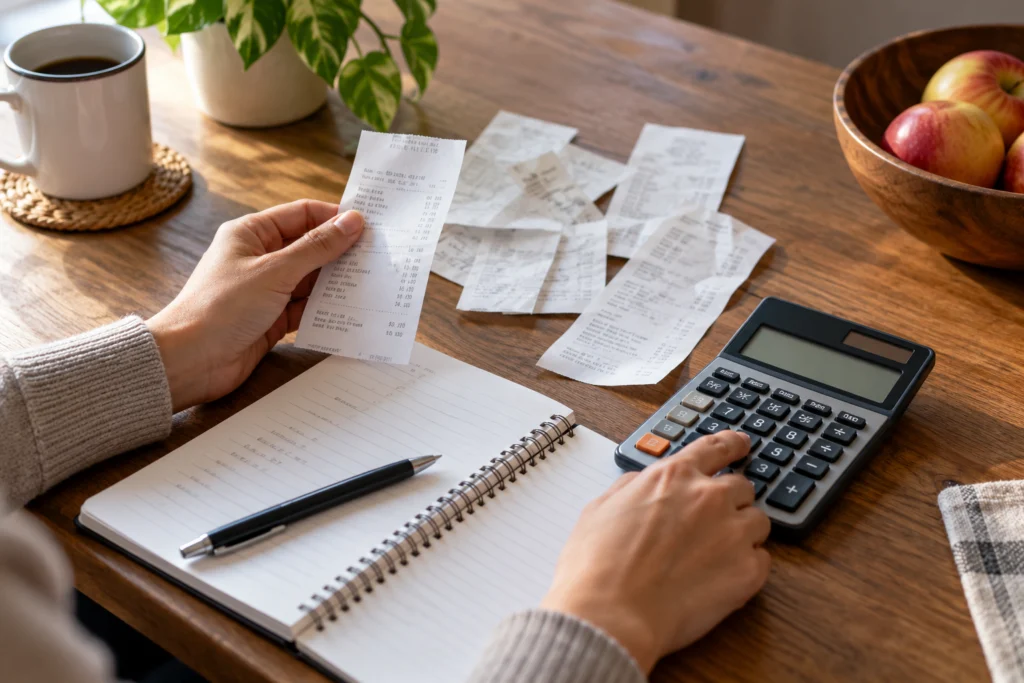
A fee can look modest in dollars while making a small purchase noticeably more expensive. The useful comparison is the final amount paid for the same item, using the terms that apply to your payment method. Do not assume a points offer or familiar checkout button is automatically the lowest-cost choice.
Find each separate charge
Check the merchant’s final checkout total and the payment provider’s applicable terms. A service fee, delivery charge, foreign-currency conversion or account cost may appear in different places. Avoid counting the same charge twice, but do not ignore one because it is billed later.
For an illustrative $10 purchase, a separate $1 charge adds 10% to that item’s price. This is arithmetic, not a claim about a particular merchant. Actual fees depend on the current provider and transaction.
| Item | Question | Record |
|---|---|---|
| Merchant total | What is the final checkout amount? | Price, taxes and disclosed charges |
| Payment terms | Does this method add a relevant fee? | Current account or provider terms |
| Currency | Is conversion involved? | Currency and the applicable conversion method |
| Rewards | Can the benefit actually be used? | Realistic value, not a headline maximum |
Do not create a larger cost to avoid a small one
An unfamiliar payment method can involve account complexity or different dispute arrangements. A decision should consider those practical features as well as the fee. Never share sensitive details through an untrusted payment link just to obtain a discount.
If credit is involved, interest and repayment timing can outweigh a small reward. Keep the purchase within the household plan and understand the borrowing terms. A points balance does not erase an unpaid bill.
- Compare the same basket and delivery choice.
- Read the final total before confirming payment.
- Check current terms for currency or provider charges.
- Keep the receipt and reconcile the later statement.
Review repeated small costs together
A charge repeated many times can matter more than a single conspicuous purchase. Track the total over a realistic period and consider changing the purchase pattern, not just the payment button. Grouping needs may help in some cases, but buying unnecessary extras to reach a threshold is not a saving.
If a charge differs from what was disclosed, retain the checkout and receipt records and use the provider’s official enquiry process. Do not assume a general article can determine the outcome of a particular fee dispute.
Questions and answers
Should I always choose the method with rewards?
No. Compare the usable reward with fees, interest and practical conditions. A headline percentage does not guarantee a net benefit.
Is a fixed fee more important on a small purchase?
Relative to the item price it can be. Calculate the actual added amount and percentage rather than judging the fee in isolation.
Should I add items to avoid a delivery fee?
Only if those items were genuinely needed and the full total is lower or better aligned with the plan. Unnecessary spending is not a saving.
Sources: canada.ca.